The Build


Maputo, Beira, Singapore. A terminal that needed a business. A joint venture that needed a spine. And an executive who refused to pick just one.
I was hired to run a terminal.
I ended up rebuilding a country platform.
"A platform is either growing or it is dying. The middle ground is a trap."


When Wilmar International brought me in as General Manager of their Maputo terminal, the mandate was clear. Run the oil terminal. Keep throughput steady. Report the numbers. Hold the line.
The terminal was functioning. Quietly. Predictably. The same ships. The same tanks. The same flows in and out.
For someone who believes a platform is either growing or dying, it was not enough.
The shift did not come from a plan. It came from a signal.
THE BEIRA DOOR
THE CONTEXT
THE RICE DOOR
In a regional meeting in Johannesburg, I watched the CEO move through the country updates.
When Mozambique came up, something changed — not dismissal, not criticism, something quieter. A pause. A tone. A slight impatience. We have Mozambique. And we are doing nothing there.
It was never said directly. It did not need to be. I read it carefully and decided that gap was mine to close.
I went back to Maputo and started working. Market mapping, pricing, transport, warehousing, retail, shelf space, brand dominance — why one product moved and another did not.
No mandate. No instruction. Just velocity.
Within weeks, I had a business plan. I sent it to my reporting line in Mauritius.
The response came back quickly. Short. Transactional — the way a trader responds.
“Not from my side. Send it to Pradeep.”
A week later, I was on a plane to Singapore. The conversation had moved.
While Maputo was starting to move, something else was breaking.
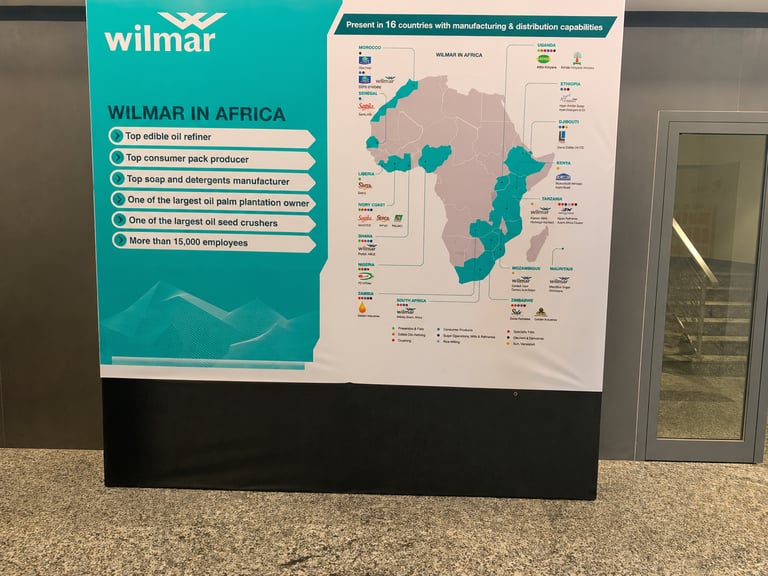
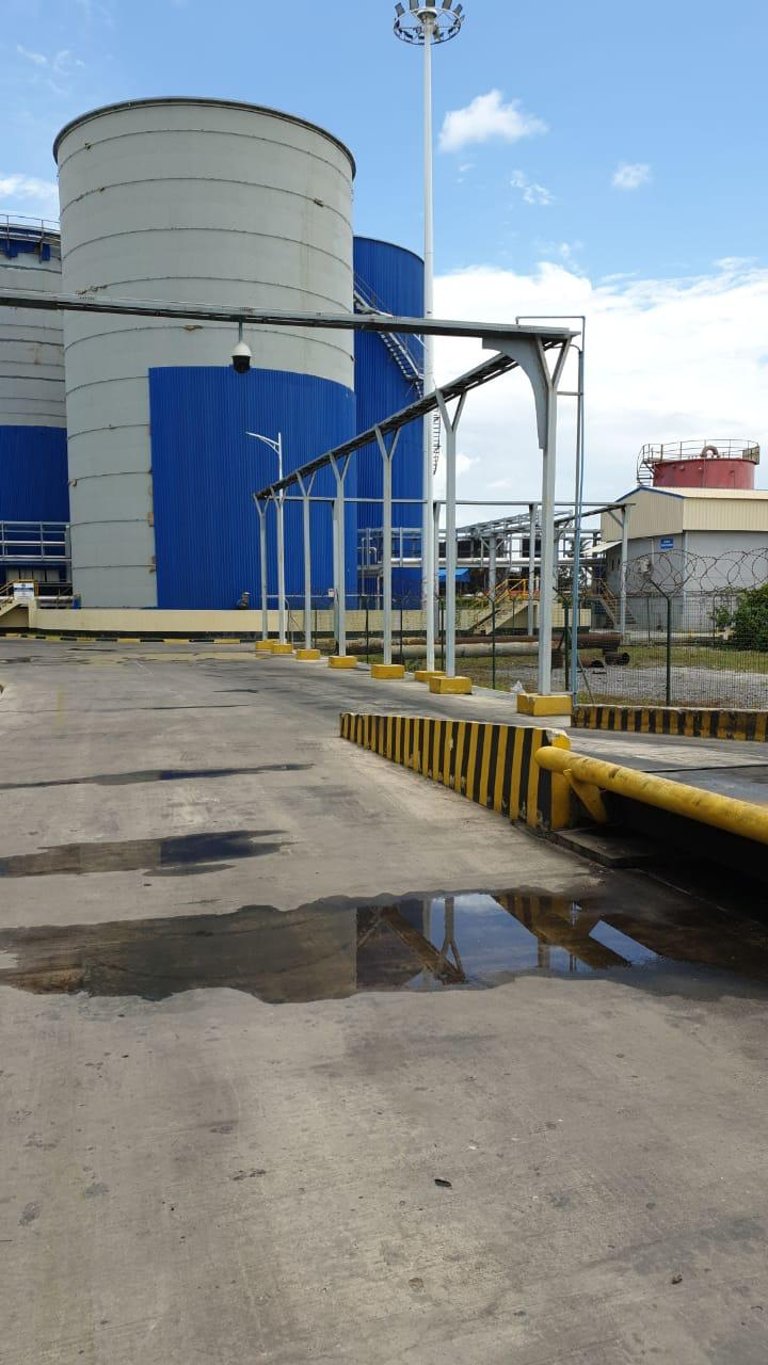
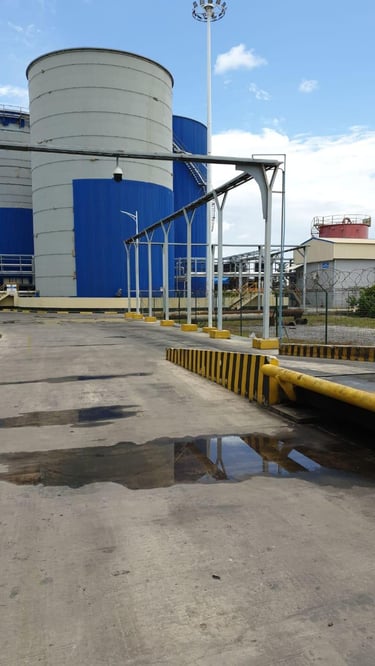
In Beira, over a thousand kilometres north, Wilmar held a joint venture with Global Oils, a Zambian partner. Together, they had start to built what should have been the strategic anchor of the region — a new edible oils terminal, larger than Maputo in capacity, throughput and capital invested. Designed to serve the corridor: Zimbabwe, Zambia, Malawi.
On paper, it defined the future of the business. In reality, it was already becoming a liability.
Management was weak. Execution we weaker. The partner was not delivering capital. Reporting could not be trusted. Compliance existed mostly on paper.
And it was visible. Wilmar asked me to take it over.
It was not in my mandate. My role was clear: run Maputo, build the new business lines, deliver the platform. The JV was a separate entity, a separate agreement — someone else’s problem. It never is.
Assets like this do not drift quietly. They deteriorate in full view, absorb management attention, and damage the position of the group.
Doing nothing was a decision too — just a slower and more expensive one.
So I said yes.
With one condition.
The general manager had to go.
The Global Oils partners resisted — continuity, stability, time. I listened, then made it simple: “If he stays, I walk. This JV is not in my contract. I will not take responsibility for a business I do not control. It is him, or it is me.”
That moment defined the assignment — not operationally, but structurally.
Accountability would not exist without authority.
They conceded.
The changes were immediate: a new general manager, a new accountant to rebuild financial reporting, and a new operations manager to restore discipline.
Processes tightened. Controls enforced. Reporting aligned. Resistance came — it did not matter.
Eighteen months later, the operation was clean: reliable reporting, full control, and throughput aligned with the original strategic intent.
Wilmar acquired 100% of the shares. Global Oils remained as clients.
THE LINE IN THE SAND


USD 35M — Total platform revenue
160,000 MT — Annual port throughput
2,000 MT/month — Rice distribution
4 countries — Mozambique, Zimbabwe, Zambia, Malawi
100% — Acquisition of Beira JV
THE LESSON
Last December, I travelled across Mozambique.
In a small restaurant, I ordered a meal. The rice was good.
I asked the young man serving me what brand it was.
He answered immediately.
“Exella.”
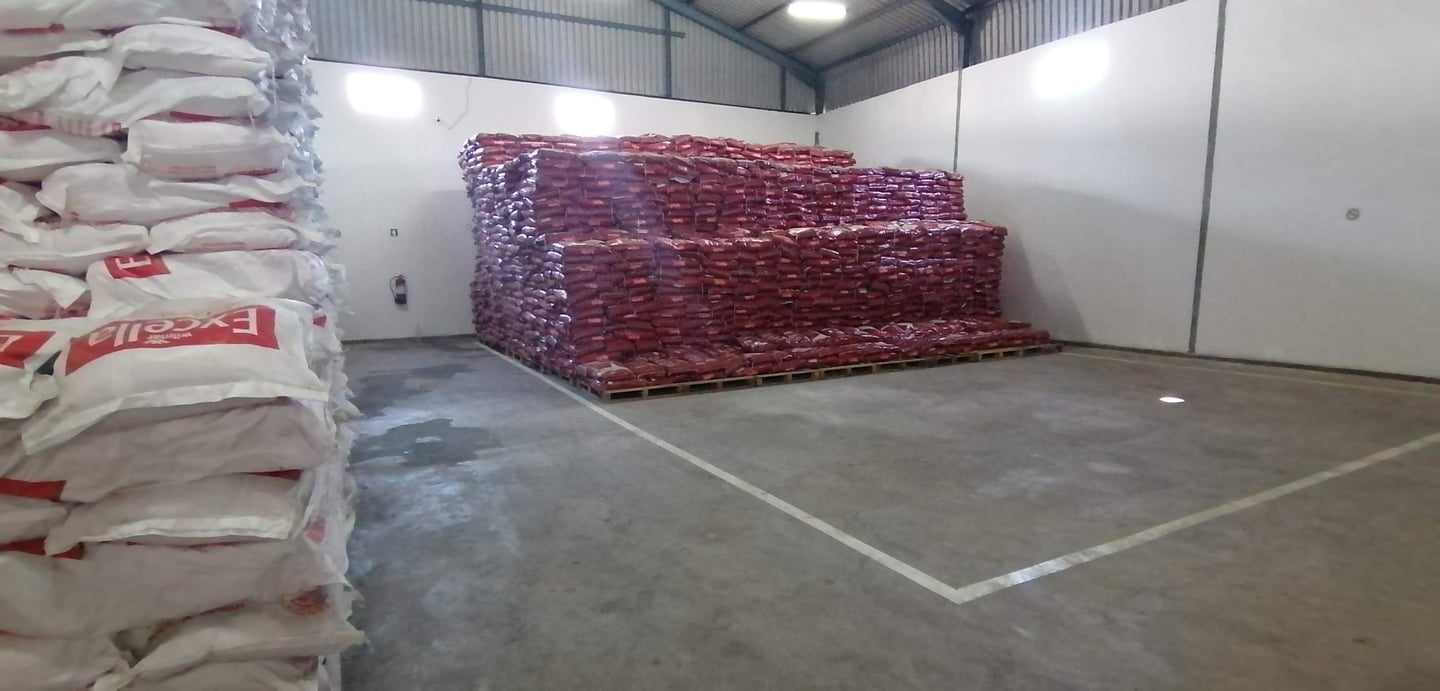
Seven years earlier, that brand in the country existed only in a file on a laptop.
While it was being rejected somewhere between Mauritius and Singapore, I was in Beira removing a general manager, imposing a reporting structure that did not exist, and taking responsibility for something that was never part of the original mandate.
That experience defined how I operate.
I do not separate strategy from execution.
I do not accept accountability without control.
because in frontier markets, nothing important happens in sequence.
If you are building or restructuring operations in complex markets — where execution, control and speed matter more than structure — we should talk.
THE OUTCOME
Contact
Reach out directly via email or phone.
Phone
am@antoniomiranda.eu
+351 937525070
© 2025. All rights reserved.